Author: adaptiman

  • Thoughts on NASPA, 2018

    Thoughts on NASPA, 2018

    One of my co-workers and I recently returned home from the National Association for Student Professional Administrators #NASPA18 in Philadelpha, PA. This was the first national NASPA that I’ve attended, even though I’ve been a student affairs professional for more than 23 years. As a technologist and technical manager, NASPA was an interesting experience for me. Here are some thoughts on #NASPA18.

    NASPA is Political

    From the opening session, NASPA presents a strongly political agenda to its membership. This is defined as “public policy” in the NASPA strategic plan. My home “tribe” of EDUCAUSE generally tries to avoid politics and focus on technology, management, and leadership. While I might agree or disagree with points of the agenda, I’ve always been taught that as higher education administrators, we should stay neutral in our political views when dealing with students in order to train them how to think and form their own opinions rather than co-opt others.

    NASPA is Super-Multicultural

    As a straight white male, I was definitely in the minority at this conference. Not necessarily a bad thing, but the politics of multiculturalism run strong in the threads of the conference and organization. I personally believe that the essence of being truly multi-cultural is to not focus on our attributes but on our character. In my experience, when one does this, cultural differences tend to disappear.  NASPA tends to push multi-cultural differences to the forefront, almost to the point of absurdity. For example, during one of the plenary sessions, half an hour was devoted to asking the indigenous people of the region for permission to hold the conference on their land. Apparently, this is a tradition at NASPA. I wonder if any of the landowners have ever said “no?”

    NASPA Values Technology

    The conference had a technology track, but what NASPA considers technology is a little different than what IT professionals may think. Most members equate technology with social media, and while this is an aspect of what student affairs professionals do, it’s certainly not the totality nor even representative of what IT does. This attitude in practice is a little surprising considering the fourth strategic goal of NASPA is technology:

    Goal 4: Provide leadership for student affairs in integrating existing and emerging technologies.

    Objectives:
    4.1 Develop knowledge of technologies that enhance the student experience, increase quality, and create administrative efficiencies in student affairs.
    4.2 Increase capacity and develop programs to create meaningful engagement and learning about emerging and existing technologies in student affairs.
    4.3 Cultivate strategic alliances to advance technological solutions and enhancements that support excellence in practice.
    4.4 Implement technologies to increase member engagement, learning, and association effectiveness.

    It is because of this fourth goal that I think there is fertile ground for IT to make in-roads at NASPA. Some areas for presentation proposals next year are “Learn to Speak Geek: A Common Vocabulary to Use with IT”, “Project Management for Student Affairs Professionals”, “Co-Opting IT to Help You with Student Assessment”, and “Communicating Business Value: Finding New Technologies to Support Your Work.”

    I think NASPA needs what we have, and if we create strategic partnerships with them, we can increase our influence and reputations. If we are able to get over our discomfort at the characteristics of the organization, we may have something to teach them.

  • Trustworthy: The First Point

    Trustworthy: The First Point

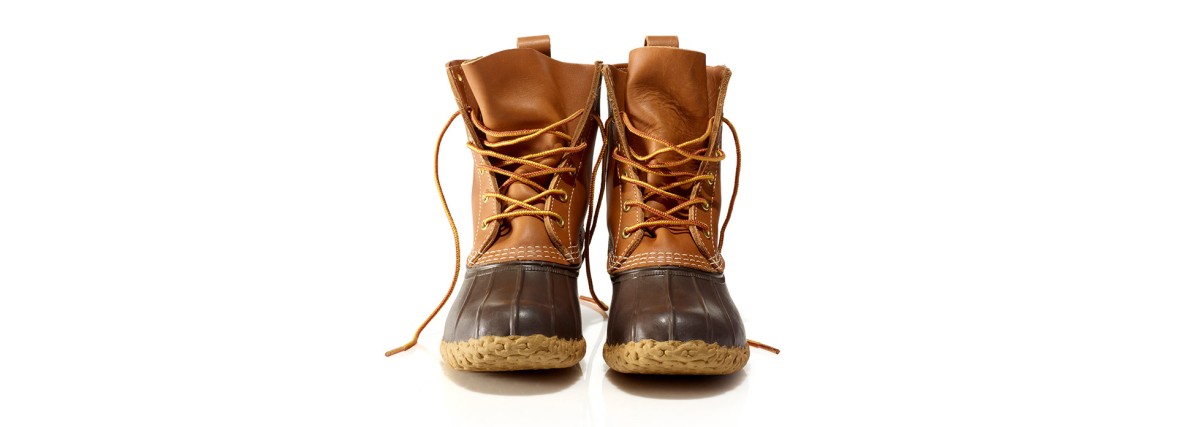
    I was very intrigued by this article at the Business Insider. It seems that people have taken the goodwill of L.L. Bean for granted, and proved that the trustworthiness of our society has greatly shifted in the last 20 years.

    Trustworthiness is the first point of the scout law. It pains me greatly that our American society seems to be moving in the wrong direction on this point. People seem to be more concerned with what they can get rather than what they can give; such as the goodwill deserved by a company like L.L. Bean.

  • Yummy!

    Yummy!

    Wasn’t planning anything special for Valentine’s Day. But after seeing this recipe, gotta say baby and me is havin’ lobster tails and ribeye on Wednesday. I won’t be using the sous-vide method, but will use tarragon and vanilla. Don’t tell her.

  • Is Trump for Real?

    Is Trump for Real?

    Make America great again. Tax cuts. Tremendous relief. Individual mandate is now gone. You can dream anything. You can be anything. In God we trust. (I see Pelosi clapping at that, which is ironic, considering she is a fake Catholic.) Little kid fu. Stand for the national anthem. Stone faced justices. Stone faced chiefs of staff. Eliminated more regulations than any administration in the history of our country. Get motor city revving its engines again. Exciting progress. Trump clapping up and motioning for the Democrats to stand. Evil pharma. Vocational schools. Second chance for inmates. Kick the illegals out. Americans are dreamers, too. We are just tougher than they are. Eliminate catch and release. Merit – based immigration system. Four pillars. America first. Let’s come together, put politics aside, and get the job done. Get tough and drug dealers. Rogue regimes. Terrorist groups. End the military sequester. (Joint Chiefs of Staff stone faced). Keep Guantánamo open. America stands with Iran. Down with North Korea. Crying fu. Heart jerk fu. Five stars for emotional rhetoric. Total American resolve. North Korean amputee fu. Invoke the forefathers fu. All stand for jingoistic references. He’s winding up for the close. The people are making America great again. God bless America.
    Analysis: Deadpan Democrats. Deadpan tea party. Political rhetoric. Little substance. Feel good. Nice, nice. Stick to the teleprompter. Trump claps for himself. All political theater.

  • A Positive View of the World

    A Positive View of the World

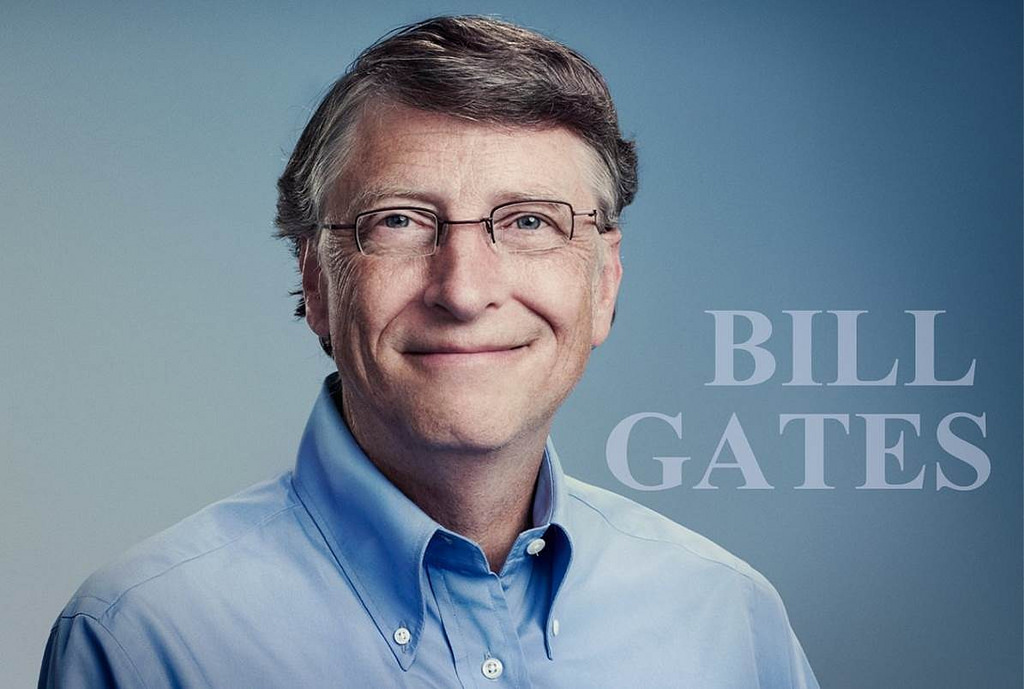
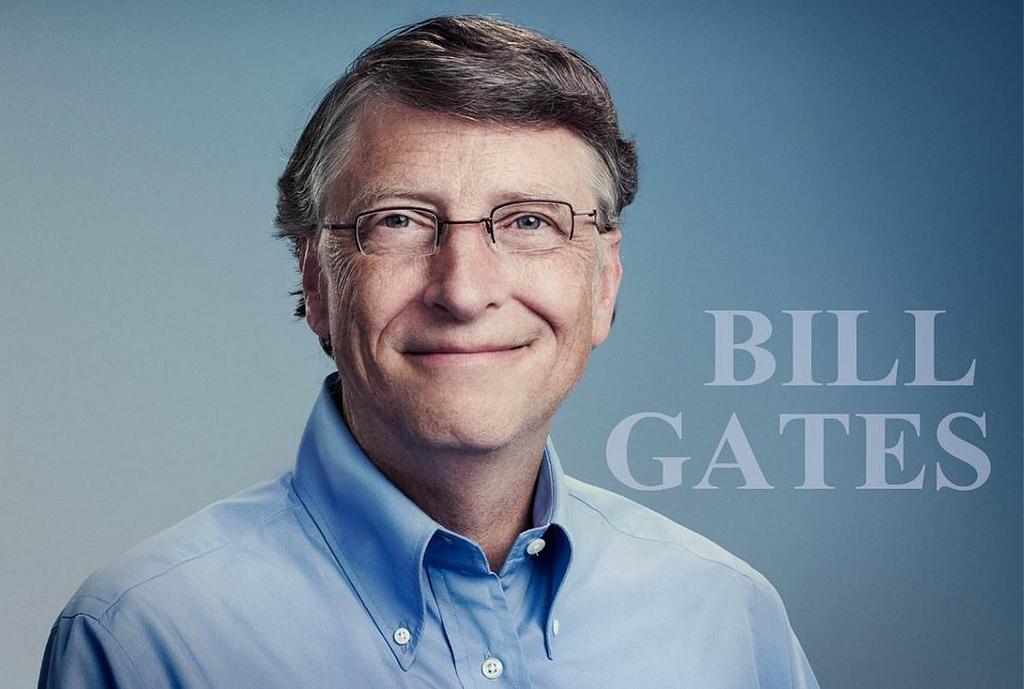
    I’m loving a recent post by Inc. Magazine profiling Bill Gates new favorite book, Enlightenment Now by Steven Pinker. While I haven’t read the book yet, the review points out that the book takes a very positive view of the future of world while providing leadership advice to focus on positive progress rather than problems. This is a very different vibe from the dystopic view that we are seeing in media and entertainment, and for that reason alone, I want to read it. The book also reviews several cognitive biases that affect our world view.


    Image result for bill gates images

  • Students of the Future

    Students of the Future

    EDUCAUSE recently published their five most popular videos of 2017. One that caught my eye was Students of the Future. This is great summary of where higher ed technology trends are taking us. The video emphasizes the following “hot topics.”

    Slow Death of Traditional Degrees

    While the “sheepskin” in higher ed will still be around for awhile, educational documentation will more frequently take the form of competencies and mastery of skills demonstrated in a variety of ways. The “credentials” of a student will be a collection of “requirements, artifacts, and other evidence of learning competencies” that the student will control rather than the institution. Educational paths of study will become increasingly customizable. The means that the role and impact of traditional degrees will change and diminish.

    Predictive Analytics

    We’re already seeing a trend here. Universities (including mine) are scrambling to figure out how to 1) generate predictive analytics and 2) use them. We see a subcategory of this being applied to “informed advising” and at TAMU, this is the tip of the spear for analytics. I believe we are at the advent of this topic, and it will take a while to mature this area.

    Broadening of Student Demographics

    The definition of the “traditional” student is broadening. We must increase our diversity, equity, and inclusion, otherwise, the market will leave us and go to other educational settings that are more agile.

  • Low Code to No Code

    Low Code to No Code

    For several years, I’ve been hearing about low-code platforms. These are usually web-based tools such as QuickBase, Appian, and others that focus mainly on the professional developer market and promise to speed up the development process. The disruption created by this model of Software Defined Everything (SDX) has become increasingly evident. But up to now, I’ve thought that our professional developers have been safe. We are still using more traditional platforms like DotNet and Python to develop web-based apps.

    Now I’m hearing about no-code platforms that are targeting non-professional application developers – so-called “citizen coders.” For example Techcrunch published an article today on Zeroqode, an up-and-coming no-code vendor. At CES this week, we’ve also seen an explosion of AI driven bots that are doing all kinds of things. It is these two disruptive factors, low code/no code and AI, that lead me to believe we may have reached a tipping point in software development. I think the nature of our profession is going to dramatically change in the next few years, traditional programming will becoming increasingly obsolete, and our skillset as IT professionals will continue to shift toward professional services – that is, translating the needs of  our customers into technology solutions through project management, business analysis, and business relationship management. This is the part they don’t understand very well, and our professional experience can be used to guide them. As we see a new generation of citizen coders that have little formal training in development, where does that leave the professionals?

  • First Freedom

    First Freedom

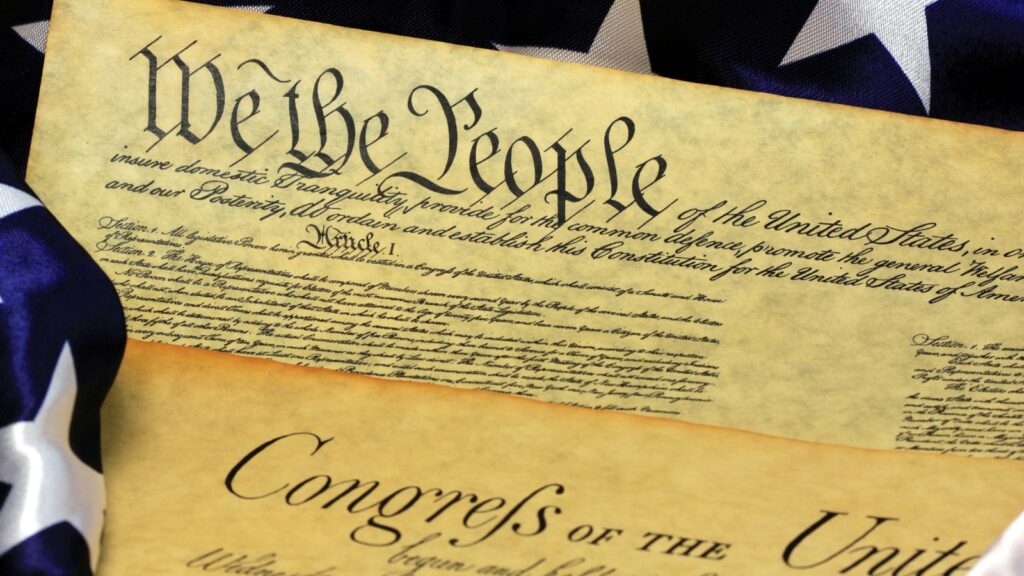
    A recent article reported that most college students believe that offensive speech is not protected by the Constitution. Of those surveyed, 44% answered that offensive speech is not protected while 39% answered correctly that the Constitution protects offensive speech. I guess the other 17% didn’t know, which is almost as bad. 62% agreed that campus groups hosting an event are legally required to supply a speaker with the opposite view point. Huh?

    It is beyond scary to me the lack of understanding of our Constitution that young people have. I suspect that older generations have a  marginally better understanding, but suspect that much of the citizens of our great country don’t understand the bedrock document of our nation. I believe we have a duty to teach the Constitution to others.