Three weeks ago, PeopleCert released the latest version of ITIL® Foundation . This is the fifth version of ITIL® released since 1989 and, in my opinion, could be the best yet. I was one of the authors for the new version. The experience was eye-opening on a number of levels, which I will describe below. But first, most colleagues want to know what is different with this version – why would I want to spend money to get certified for version 5?
What’s New?
There are three main changes to Foundation with a number of smaller but meaningful updates. Most importantly, ITIL® has expanded its scope beyond IT Service Management (ITSM) to include Product Management. The language in Foundation has changed from “ITSM” to “DPSM” (Digital Product and Service Management). This shift, while subtle, is seismic. The product management community has had a long run operating outside the scope of ITSM and created their own tribe. Product managers have their own way of looking at the world of digital products and services. So for PeopleCert to expand into their territory feels a little like stolen land without an acknowledgement. Even so, the purpose in doing this is mainly to address criticism that ITIL® has been too “operational” over the years, not focused enough on the product and service strategy, creation, design, and transition. I agree with this criticism and believe it’s the right thing to do to provide greater more comprehensive coverage of “this thing we do.”
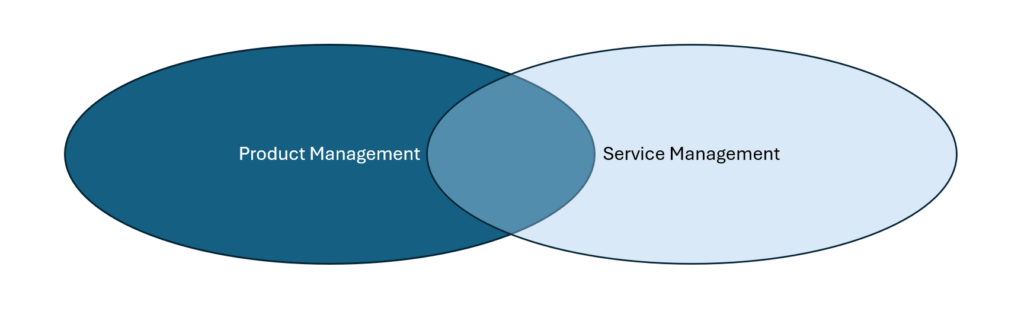
This shift becomes apparent in a number of changes. The new ITIL® Digital Product and Service Lifecycle represents the Service Value Chain as a cycle of activities that move from the product management side of the model (Discover, Design, Acquire, Build, Transition) to the service management side of the model (Transition, Operate, Deliver, Support). This is a redux of the ITIL® version 3 Service Lifecycle within the context of the Service Value Chain Activities. I think it’s a more complete way of looking at the whole.
Another notable shift is a greater focus on role capabilities rather than organizational capabilities. This is apparent in the new course designations: Product, Service, Experience, Strategy, and Implementation. The first four are focused more on organizational roles than previous version of ITIL® while Implementation address the need for clear “how to” advice – a frequent criticism of ITIL® over the years. Developing best practices around role-based capabilities helps practitioners answer the question, “Where do I fit?”
Lastly, new ITIL® is “AI Native.” This is not a recommendation of specific AI technologies, but the development of recommendations that help organizations become disruptors rather than disrupted within increasingly VUCA environments. As with most ITIL® practices, the material related to AI provides solid recommendations that are designed to be timeless.
The Editorial Process
The process to create the books belonging to this version of ITIL® took more than a year of our time to complete. The authoring teams, led by two to three lead authors for each book, would write each version of the material in short two-week sprints. At the end, the version would be reviewed by the larger team for feedback and revision. Key ideas and concepts would be discussed in detail with decisions on what and what not to include going back to the core team. Surveys on contested ideas would be distributed between authoring sprints to settle sticky questions.
Between these sprints, the excellent PeopleCert editorial team would prepare the versions, clean them up, format them, and redistribute to the authoring teams. This process was very efficient, bringing to bear the collective wisdom of the experts around the room. Even though I’ve been in ITSM for three decades, I was in awe of the expertise. The process resembled a modified Delphi research model with the world’s leading experts in our field shaping the collective direction.
All of this adds up to a reshaping of our profession to broaden IT Service Management into Digital Product and Service Management – a long overdue upgrade to the venerable compendium of best practices we all know and love.
Leave a Reply